For Honor: Guard Break, Parry and the Stamina Trap
Most For Honor duel losses come from three seconds of bad stamina management rather than from a better opponent. Four habits fix that: guard break the parry attempt, feint once before committing, parry the second swing, and never attack from an empty bar. Each one is small, each one compounds, and one of them settles fully half of your fights.
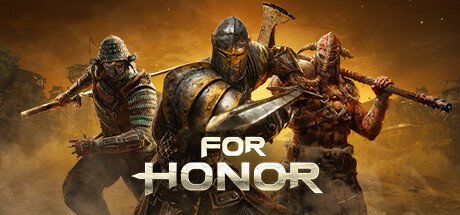
The health bar says you lost to a heavy. The stamina bar says you lost three exchanges ago, when you threw a second heavy from a quarter bar and stood there breathing while the opponent decided how to end the round.
For Honor is a game of three resources: health, stamina, and the opponent's patience. The first two are visible, the third is the one you are actually attacking, and guard break is the tool that tests it. The other collections in this section work the same way: one habit, one reason, one fix.
1. Guard break the parry attempt, not the block
Guard break beats a blocking opponent and, more importantly, it beats one who is waiting to parry. That is why the best time to press it is right after they block a heavy: a defender who just blocked a big swing is usually holding the heavy button, hoping to parry the next one. The guard break arrives while they are committed to that hope, and it either lands or forces a counter, which tells you what kind of player you are facing.
Watch the counter window. A guard break that gets countered was not wasted; it was information, and the information is that this opponent knows the timing. Against that player, feint instead.
2. Feint once before you commit
A heavy feint into a light, or into a guard break, is the cheapest way to convert a defensive opponent into damage. The first heavy of a chain is a question: will you parry it? If they try, the feint means their parry whiffs and they eat the follow-up. If they do not, you have still spent their stamina on the block.
The mistake is feinting twice in a row. The second feint tells the opponent you are out of ideas, and it drains your own stamina, which matters more than the mixup. One feint, then commit.
3. Parry the second swing, not the first
Most players buffer their defence on the first hit of a chain. That makes the first swing a bad parry target and the second swing a good one: the timing is easier to read, the opponent has already committed to the animation, and a successful parry on a light attack gives you a guaranteed heavy.
Parrying a heavy attack gives you a light instead, which is a smaller reward but often enough to reset the exchange. Either way, the parry is not the goal. The goal is the free hit that follows, so take it immediately and use the health advantage to force the opponent to attack into your block.
4. Never attack from an empty bar
This is the stamina trap, and it accounts for more lost duels than any mixup. When your stamina runs out you cannot parry, a guard break knocks you down, sprinting stops working, and your attacks come out slower. Every one of those penalties is a gift to an opponent who is watching your bar instead of your sword.
| Situation | What it costs | What to do instead |
|---|---|---|
| Attacking under 25 percent stamina | A free guard break and a knockdown | Back off and let it regenerate; a few seconds of space is cheaper |
| Blocking a long chain at low stamina | Guard break through the block | Dodge out, or parry the chain's final hit |
| Sprinting into a fight | Arrive with a near-empty bar | Walk the last ten metres, arrive full |
The rule that fixes it: treat thirty percent as your empty. When the bar hits that line, your next action is defensive, even if the opponent is one hit from death, because one hit from death is also where a knockdown ends you. Duel mode punishes this faster than any team playlist, since there is no teammate to cover the mistake.
The unblockable problem
Red attacks cannot be blocked, and the answer is always a dodge or a parry depending on the hero. New players try to block through them because the animation looks blockable, then lose half their health and conclude the game is random. It is not random; it is a rule with a different answer than the other rules, and the answer has to be learned per hero rather than per game.
Spend ten minutes in the training arena with each hero you intend to main and let the unblockable hit you until the dodge timing is boring. Boring is the goal. The players who never do this are the ones who describe every loss as unfair, because from the inside an unreadable rule and a random rule feel identical.
What Chivalry 2 does differently
Chivalry 2 throws out the lock-on and the parry timing entirely, replacing them with swing manipulation, chambering and first-person chaos. There is no guard break to bait, but stamina still punishes greed, which makes the fourth habit on this list the one that transfers directly. The rest of this section applies the same logic to games with a health bar and no sword.
Put the four habits in order
If you only change one thing this week, fix the stamina rule, because it converts every other mistake into a survivable one. Guard break timing is second: it is the fastest way to punish a defensive player who has learned to parry but not to think. Feints and second-hit parries come last, because both depend on an opponent who is already reacting to you, and that only happens once you stop dying to your own bar.
Play five duels with one rule: no swings below thirty percent stamina. The first two will feel passive. By the fifth you will be reading their bar before your own.
Frequently asked questions
How do you counter a guard break in For Honor?
Press guard break at the moment theirs connects. The window is short but consistent, and it is the same input rather than a dodge or a parry. If you get countered, that is useful information: it means the opponent knows the timing, so feint into an attack instead of breaking again.
Does parrying a light or a heavy give a different reward in For Honor?
Yes. Parrying a light attack gives you a guaranteed heavy, and parrying a heavy attack gives you a light. That is why patient opponents throw lights first: the penalty for getting parried is smaller. Against a parry-happy player, guard break and feints are the answer rather than bigger swings.
Why do I get knocked down so often in For Honor?
Because you are fighting on a low stamina bar. When stamina is empty you cannot parry, guard breaks knock you down, and your attacks slow down. Treat thirty percent as empty: back off, let it regenerate, and re-enter the fight with a full bar instead of gambling on one more swing.