Sifu: Parry Timing, Age and the Death Loop
Sifu's parry window is short, but the avoid window is not, and knowing which one a given string demands is the whole game. This ladder ranks the five levels by what each one actually tests, shows what dying at every rung costs you in years, and explains why the shortcuts you unlock matter far more than the XP you lose on the way.
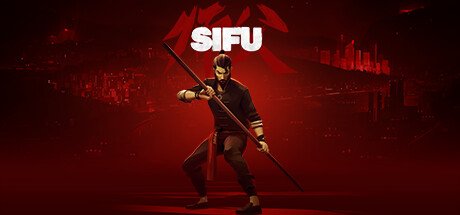
Sean at the Club is where most runs end, and the death screen is unusually honest about why: age 43, death counter at plus four, and a boss whose entire second phase is one long string you have been blocking instead of reading. The game did not get harder. The price of each mistake went up.
Sifu runs on two defensive tools, one permanent clock and a set of doors. Understanding the four separately is the difference between a run that stalls at the Museum and one that reaches the Sanctuary.
The parry window is small; the avoid window is not
Parrying means pressing guard as the hit lands. It damages the enemy's structure meter, opens a takedown, and it is the only way to beat a boss who refuses to whiff. The window is short enough that panic presses turn into blocks, which is why new players conclude the timing is unfair.
Avoiding is the same guard button plus up or down, timed to slip a high or a low. The window is far wider, it costs nothing on a miss, and it leaves the enemy in recovery. The two are not interchangeable: a parry builds the bar that ends the fight, an avoid buys you the next exchange. Against a boss string you have never seen, avoid first and count the hits. Against the fifth attempt at the same string, start replacing avoids with parries one hit at a time.
Age is a budget with a rising price
You start at twenty. The first death adds a year, the second adds two, and the counter keeps climbing, so the tenth death costs far more than the first. At seventy the run is over and the level restarts from its beginning, at twenty, with everything you have permanently earned still in place.
That structure changes what a death is worth. Dying twice while learning a boss's first phase is cheap. Dying eight times to the same miniboss because you refused to use a shortcut is expensive, and it is the most common way a run ends before the Museum.
The ladder, ranked by what each level tests
Each level adds one demand rather than a new difficulty setting. Going up a rung before the previous one is learned is what turns a hard fight into an impossible one.
| Level | Boss | What it tests | Cost of skipping it |
|---|---|---|---|
| The Squats | Fajar | Reading a single fast attacker; first parry habit | Low. This is the tutorial you replay until parries land. |
| The Club | Sean | Long strings, high and low mixups, patience | High. Sean's string is the vocabulary every later boss reuses. |
| The Museum | Kuroki | Range, weapons, two-phase endurance | Very high. Skipping the first phase is not possible; skipping practice is. |
| The Tower | Jinfeng | Environmental spacing, punishing greed | High. Small arenas remove the dodge-and-reset habit. |
| The Sanctuary | Yang | Everything, with no room for a blocked string | Total. This is the exam, not a new subject. |
If you are stuck two rungs above your comfort level, the fix is not more attempts at the top. It is going back down, playing one level clean at a low age, and returning with the timing you were missing.
Shortcuts are the only progress that cannot be taken away
Every level hides doors that stay open once you pass them. They let a replay skip the first third of a level, which means your next attempt starts at the boss with age still in the low twenties instead of arriving at forty.
Unlock them on runs you expect to lose. A run where you die at the boss but opened the shortcut is a better run than a clean clear that ignored the door, because the door pays out every time after that. This is also why the first pass through a level should be curious rather than fast: the side rooms usually contain the door. The other level-by-level guides here treat shortcuts with the same respect.
Shrine picks should solve the boss in front of you
Shrines offer a small permanent choice, and the temptation is to take the general upgrade. Resist it. If a boss is breaking your structure in two hits, take the structure upgrade. If your parries connect but the bar barely moves, take parry impact. If you keep running out of weapon, take durability. The shrine is a tuning knob for the fight you are actually stuck on, not a build for a hypothetical later level.
Skills become permanent at five purchases
XP is lost when you die, which makes early skill buying feel pointless. It is not. A skill bought five times becomes permanent and stays unlocked through every subsequent death, so the correct early investment is repetition on one or two skills rather than spreading XP thin across the tree.
Pick the skill that fixes your worst habit: a faster recovery, a better dodge, a stronger punish. Buy only that one until it sticks. Absolver makes the same point from the other direction, letting you build a deck of moves before you can use any of them well, and the lesson transfers: breadth is worthless until one option is automatic.
What to do when the counter says plus four
Stop attacking the boss and replay the level's first room. Not for XP, and not for practice in general, but to check whether your parries are landing on enemies that cannot kill you in two hits. If they are not landing there, they will not land on Sean either, and the age you spend discovering that at the boss is the most expensive kind there is.
Frequently asked questions
Does Sifu get easier as you age?
No, and that is the point. Age is a cost, not a level: your damage does not scale with it, and the death counter keeps rising, so each mistake late in a run is more expensive than the same mistake at twenty. What makes a run easier is permanent progress, which means unlocked shortcuts and skills bought five times.
What happens when you reach 70 in Sifu?
The run ends. You are sent back to the start of the current level at age twenty, keeping permanent unlocks such as shortcuts and mastered skills. That is why a death at forty is worth treating as a warning rather than a setback: it is the last cheap mistake you will get.
Should I parry or avoid in Sifu?
Avoid when you do not know the string, parry when you do. Avoiding has a wider window and costs nothing on a miss, but it only buys time. Parrying damages the enemy's structure and is the only reliable route to a takedown, so the working method is to avoid a new string once, then convert one hit of it to a parry each attempt.